

BioGas Plant
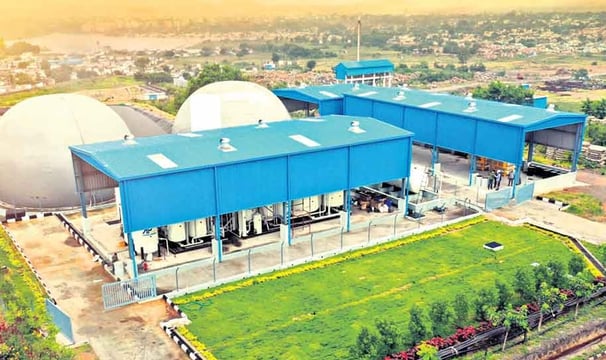
Biogas is the mixture of gases produced by the breakdown of organic matter in the absence of oxygen, usually consisting of certain quantities of methane and other constituents. Biogas can be produced from raw materials such as agricultural waste, manure, municipal waste, plant material, sewage, green waste or food waste. Biogas is a renewable energy source. In India, it is also known as "Gobar Gas". Biogas is produced by anaerobic digestion with methanogen or anaerobic organisms, which digest material inside a closed system, or fermentation of biodegradable materials. This closed system is called an anaerobic digester, biodigester or a bioreactor.
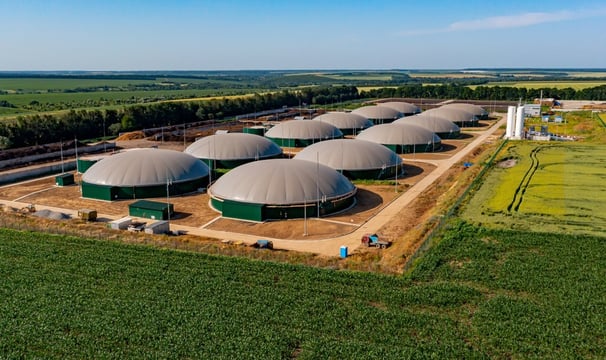
Biogas is primarily methane (CH 4) and carbon dioxide (CO 2) and may have small amounts of hydrogen sulfide (H 2S), moisture and siloxanes. The gases methane, hydrogen, and carbon monoxide (CO) can be combusted or oxidized with oxygen. This energy release allows biogas to be used as a fuel; it can be used for any heating purpose, such as cooking. It can also be used in a gas engine to convert the energy in the gas into electricity and heat. Biogas can be compressed, the same way as natural gas is compressed to CNG, and used to power motor vehicles. In the United Kingdom, for example, biogas is estimated to have the potential to replace around 17% of vehicle fuel. It qualifies for renewable energy subsidies in some parts of the world. Biogas can be cleaned and upgraded to natural gas standards, when it becomes bio-methane. Biogas is considered to be a renewable resource because its production-and-use cycle is continuous, and it generates no net carbon dioxide. As the organic material grows, it is converted and used. It then regrows in a continually repeating cycle. From a carbon perspective, as much carbon dioxide is absorbed from the atmosphere in the growth of the primary bio-resource as is released, when the material is ultimately converted to energy.
Biogas Production Plant: A Renewable Energy Revolution
Introduction
With the increasing demand for sustainable energy, Biogas Production Plants have emerged as a key solution for converting organic waste into a valuable energy source. These plants utilize anaerobic digestion to break down organic matter and produce biogas, which can be used for electricity generation, heating, and even as vehicle fuel.
What is a Biogas Production Plant?
A Biogas Production Plant is a facility designed to process organic waste, such as agricultural residues, food waste, and animal manure, to generate biogas—a mixture of methane (CH₄) and carbon dioxide (CO₂). This eco-friendly fuel can be used as a clean alternative to conventional fossil fuels.
How Does a Biogas Production Plant Work?
Raw Material Collection: Organic waste is gathered from farms, food industries, and wastewater treatment plants.
Anaerobic Digestion: Microorganisms break down the waste in an oxygen-free environment, producing biogas.
Biogas Purification: The gas is purified to increase methane content, making it suitable for use as fuel.
Energy Utilization: Biogas can be used for electricity, heating, or upgraded to biomethane for vehicle fuel.
Byproduct Utilization: The remaining digestate is used as an organic fertilizer for agriculture.
Benefits of Setting Up a Biogas Production Plant
Renewable Energy Source: Reduces dependence on fossil fuels.
Waste Management Solution: Converts waste into energy, reducing landfill burden.
Eco-Friendly: Lowers greenhouse gas emissions and improves air quality.
Economic Benefits: Provides opportunities for investment, job creation, and rural development.
Conclusion
A Biogas Production Plant is an innovative and sustainable solution for energy generation and waste management. Whether for industrial or agricultural use, investing in biogas technology supports environmental conservation and energy security.
EBFC Business Partners/Franchise plan to start a Biofuel Project. EBFC groups will tie-up with Business Partners/Franchise in a unique model in which both parties will get benefited.
In this model, Business Partners/Franchise Partner puts resources into Land, Infrastructure, Licenses and EBFC gives Project Design, Unique Business Model, Permission support, Brand Promotions with Business Operations Support.
★★★★★
Business Model
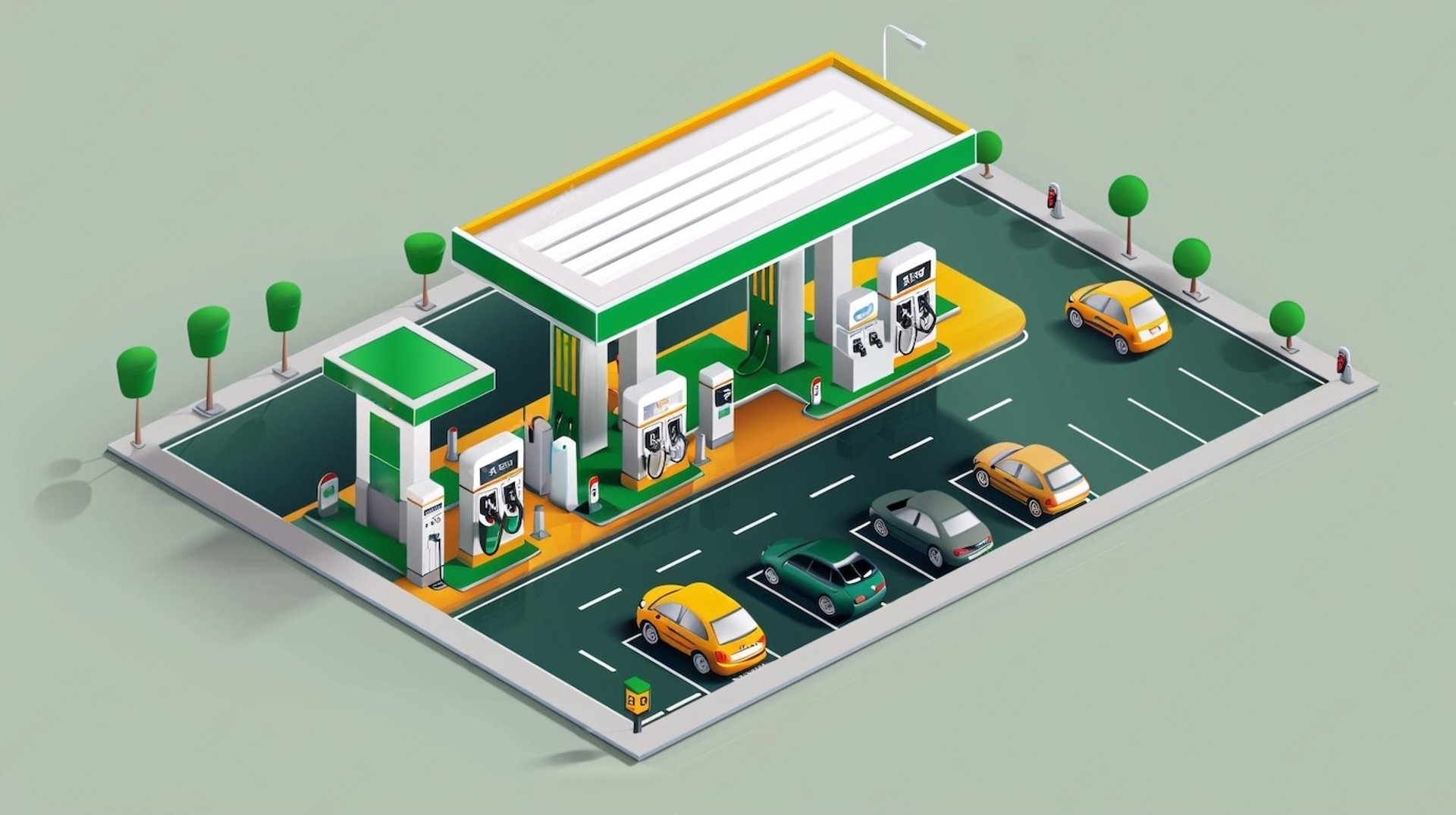
Steps To Open Bio Fuel Plant/Pump
EBFC Business Partners/Franchise plan to start a Biofuel Project. EBFC groups will tie-up with Business Partners/Franchise in a unique model in which both parties will get benefited.In this model, Business Partners/Franchise Partner puts resources into Land, Infrastructure, Licenses and EBFC gives Project Design, Unique Business Model, Permission support, Brand Promotions with Business Operations Support.


Step 1
Application
Apply to become a Biofuel Plant/Pump Owner, Franchisee. Applicants need to apply online via website : esarbiofuel.com or Off-line to Email all relevant details and document on Email ID info@esarbiofuel.com




Step 2
Assessment
Step 3
Allotment
On receiving the application, EBFC Sales Team will get in touch with the applicant to assess their eligibility. They will then scrutinize the application, supporting documents, land area and location and applicant's financial background
Once the application is approved, EBFC will do contact agreement with the applicants to start Biofuel Plant/Pump at applicants land. Applicant should be asked to submit required documents, Bank Guarantee, Credit Franchisee fee.